
Capítulo I. La chagra en la cultura ticuna: Un espacio social de subsistencia, cosmovisión y resistencia
Sinopsis
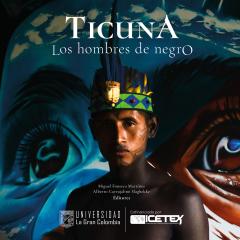
El capítulo describe inicialmente el ámbito territorial del pueblo ticuna, en cuanto a que es “nación” transfronteriza con una historia de desarraigo y resistencia cultural. A través de un análisis historiográfico, se muestra cómo los procesos de colonización propiciaron la reconfiguración de la organización social, territorial e incluso de la cosmovisión de este pueblo originario. Elementos como la aculturación religiosa, a través de la evangelización encubierta; las estrategias de dependencia económica, como la fiebre del caucho a principios del siglo XX, y la colonización lingüística de algunas misiones protestantes y de los estados nacionales, propiciaron una desestructuración social y cultural del pueblo de los “hombres de negro”. Ante este estado de cosas, el pueblo ticuna ha desarrollado estrategias de resistencia y supervivencia gracias al desarrollo de formas de sincretismo religioso, apropiación de herramientas lingüísticas, revitalización de los saberes propios a través de los círculos de palabra, modelos económicos propios como la chagra, la pesca, y el acceso al mundo global, a través del desarrollo del turismo comunitario y el comercio de artesanías. En este sentido, el elemento central que permite comprender estas modalidades de adaptación cultural consiste en el análisis e interpretación de la recopilación y presentación etnográfica de los mitos de origen de la comunidad. Se concluye que el mito de origen, en tanto símbolo cultural, tiene distintas escalas semánticas que dan cuenta de una recreación cultural con fines adaptativos y políticos. Así, la chagra y la maloca son el eje semántico de la interpretación de la cultura ticuna contemporánea, frente a los retos que dicha recreación cultural en una sociedad globalizada plantea a este pueblo originario.
Páginas
Próximamente
Colección
Categorías
Licencia

Esta obra está bajo una licencia internacional Creative Commons Atribución-NoComercial-CompartirIgual 4.0.