
Introduction
Synopsis
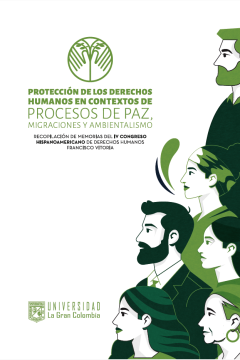
More than five centuries ago, the Dominican friar Francisco de Vitoria laid the foundations in the lecture halls of Salamanca for what we now recognize as international law and the protection of human dignity. His philosophy, grounded in the universality of the human person and in the responsibility of peoples toward one another, continues to serve as an intellectual compass for those of us who work to defend and promote human rights in the 21st century. It is no coincidence, then, that the Ibero-American academic network that bears his name has made rigorous dialogue and the protection of human rights its raison d’être. The Francisco de Vitoria Ibero-American Human Rights Network is a bi-regional academic initiative that connects Latin America with Europe, bringing together academic institutions and research centers in Spain, Colombia, Chile, Venezuela, and Mexico. In line with the legacy of its founder and in alignment with the Sustainable Development Goals (SDGs) of the 2030 Agenda, its purpose is to address—through research and academic dialogue—the challenge posed to human rights by the new social, economic, political, technological, and environmental transformations of the 21st century in global, regional, and local contexts.
Volume
Pages
Published
Series
Categories
License

This work is licensed under a Creative Commons Attribution-NonCommercial-ShareAlike 4.0 International License.